How to Optimize Your Google Business Profile: A Contractor’s Complete Guide

Your Google Business Profile is the most valuable free marketing tool available to home service contractors — and most of them have it half set up.
When a homeowner searches “painters near me” or “flooring contractor in [city],” Google’s local map pack is the first thing they see. Those three listings that appear before any organic results. Your Google Business Profile — how complete it is, how many reviews you have, how recently you’ve posted — determines whether you’re in that local map pack or buried below it.
Getting into the map pack is one thing. Converting those views into calls is another. This guide covers both — the full optimization process for your GBP, in the order that matters, with the specific areas most contractors miss.
If you’ve claimed your profile but haven’t touched it in months, you’re leaving leads on the table. Here’s how to fix that.
Why Your Google Business Profile Is Your Most Important Local Asset
Most contractors think of their website as their primary online presence. For local search, your Google Business Profile is actually more important.
Here’s why: when someone searches for a contractor in your area, Google surfaces the map pack before any websites. The businesses in those three slots get the majority of clicks — not the organic listings below them. Your GBP is what determines whether you’re in that pack.
Beyond visibility, your GBP controls a lot of what a potential customer sees before they ever visit your website. Your hours, your phone number, your photos, your reviews, your recent activity — all of it lives there. A fully optimized profile does the selling before anyone makes contact.
An incomplete or outdated profile does the opposite. It signals to both Google and potential customers that you may not be actively running your business.
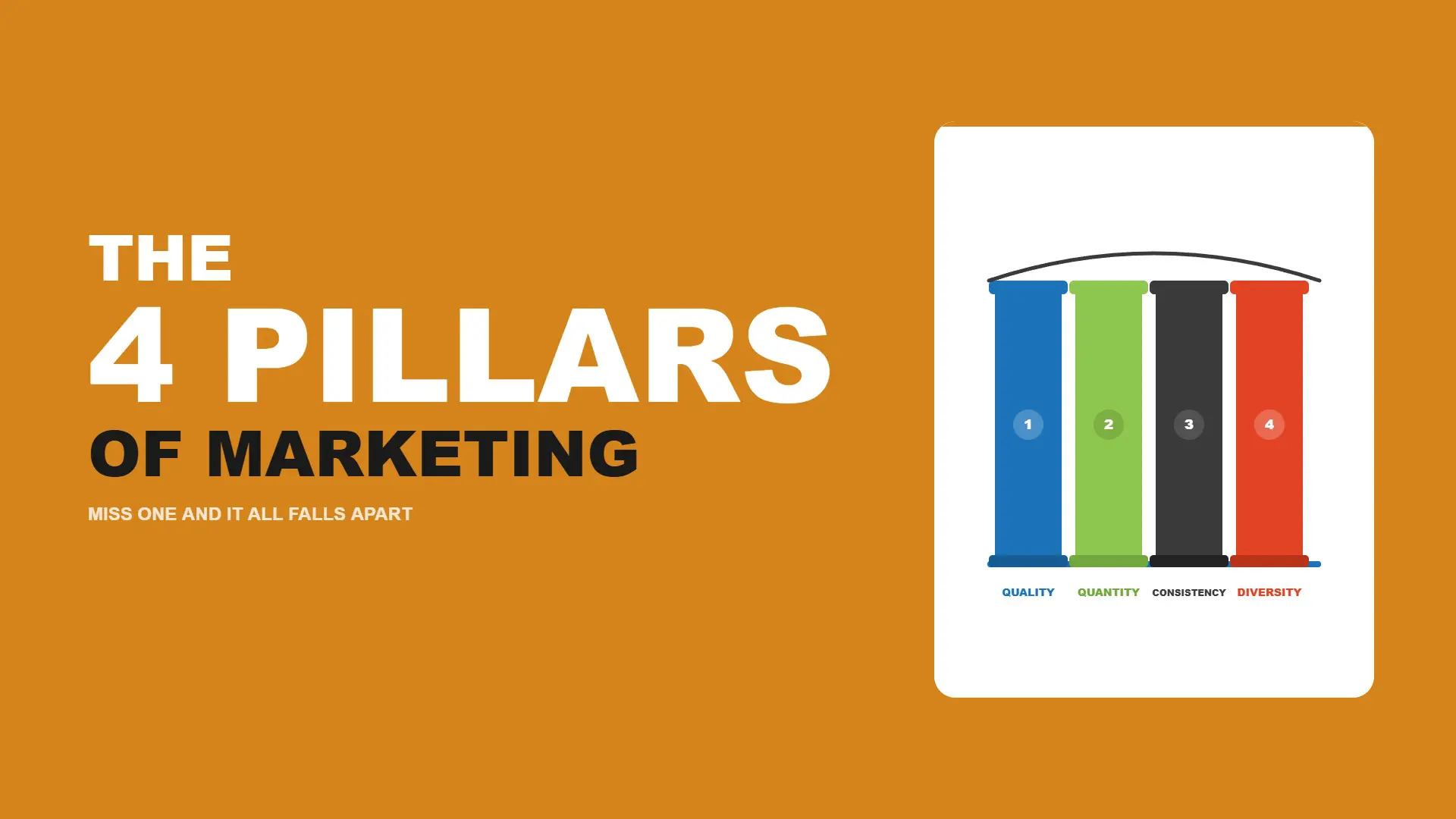
The 4 Pillars of a High-Performing Google Business Profile
There are four areas that drive most of the performance gap between contractors who dominate local search and those who don’t. Start here before worrying about anything else.
Pillar 1 — Complete Your Profile Fully
This sounds obvious. Most contractors haven’t done it.
Google gives every business profile a completion score, and incomplete profiles rank lower. More importantly, every unfilled section is a missed opportunity to tell Google — and your customer — what you do and where you do it.
The sections most contractors skip or rush:
- Business description: you have 750 characters. Use them. Include your primary services, the cities you serve, what makes your business different, and how long you’ve been operating. Write it like a human, not a keyword list.
- Services: this is the most neglected section on contractor profiles. Google allows you to add individual services with names and descriptions. A painting contractor should have entries for exterior painting, interior painting, cabinet painting, deck staining, and every other distinct service they offer — each with its own short description. Most contractors add two or three and call it done.
- Categories: your primary category should be the most specific match for your main service. A flooring contractor should be “Flooring Contractor,” not “Home Improvement.” Add secondary categories for every relevant service type. Google uses categories heavily for local rankings.
- Photos: minimum ten real job photos to start. Add new ones consistently. Profiles with active photo uploads rank and convert better. Real project photos only — no stock imagery, no logos without context.
Pillar 2 — Build Consistent, High-Quality Reviews
Review count and quality are among the top local ranking factors. This isn’t debatable — more reviews at a higher average rating consistently correlates with better map pack placement.
But the content of your reviews matters too, and this is where most contractors leave SEO value on the table. A review that says “Great job!” is a 5-star rating with no substance. A review that says “Mike’s crew did an excellent exterior repaint on our home in Riverside — showed up on time, cleaned up every day, and the trim detail was perfect” is a 5-star rating that also contains keywords, a location reference, and specific service language Google can use.
The system for getting those kinds of reviews consistently is covered in detail in our post on how to get more Google reviews. The short version: ask in person at the walkthrough, have a QR code or tap card ready, and guide the content of the review after they agree.
Also respond to every review — positive and negative. Your response is public-facing content. Use it to reinforce your brand, mention the service, and where natural, include a location reference. A thoughtful response to a negative review often does more for your reputation than a dozen positive ones.
Pillar 3 — Post Consistently
Google Posts are one of the most underused features on the platform. They work like a social feed directly on your GBP — and they signal to Google that your profile is actively maintained, which supports local rankings.
Post weekly or bi-weekly. What to post:
- Job updates and completed project photos with a brief description of the work and location
- Service highlights — describe a specific service, who it’s for, and what it includes
- Seasonal offers or timely tips relevant to your trade
- Team wins, milestones, or recognitions
When writing posts, use your primary service keywords and location names naturally. “Just finished a full exterior repaint in Mandarin — the homeowner wanted a complete color change and the crew nailed it” is better than “Another job done!” It gives Google keyword context and gives potential customers a reason to trust you before they call.
Posts expire after seven days unless you mark them as offers, so consistency matters. Build it into your weekly routine.
Pillar 4 — Answer Your Phone
This one isn’t a GBP setting — it’s the most important thing on this list.
Your profile can be perfectly optimized. Your reviews can be outstanding. If you don’t answer when a lead calls, none of it matters.
Research from Velocify found that responding to a lead within one minute of their inquiry increases conversion rates by 391 percent. Separate data shows that 78 percent of customers hire the first business that responds to them — not necessarily the best-reviewed, not the cheapest, the first. For contractors, that means the business that picks up the phone.
Most homeowners searching for a contractor are calling two or three businesses at the same time. The one that answers first has an enormous structural advantage. The ones that go to voicemail are usually crossed off the list before the conversation even starts.
If your team can’t answer every call during business hours, a dedicated answering service or CRM with automated text-back capability is a worthy investment. A text that says “Thanks for calling — we’re on a job right now but will call you back within the hour” is dramatically better than silence.
The first-mover advantage is real: Velocify research shows responding within 1 minute increases conversion rates by 391%. 78% of customers hire the first business that responds — even if it costs more. Your GBP drives the call. Answering the call closes the lead. Optimizing one without the other leaves money on the table.
Google Business Profile Optimization Checklist
Use this as a reference when auditing or setting up your profile. Work through every row — the sections marked Required will cause ranking problems if incomplete, and the High priority items are where most of the performance gap lives between contractors.
| Area | What to Check / Complete | Priority |
|---|---|---|
| Business Name | Exact legal/operating name — no keyword stuffing | Required |
| Categories | Primary category is most specific match. Add all relevant secondary categories. | High |
| Description | 750-character max. Include primary services, location, and what makes you different. | High |
| Services | Add every service individually with a description for each. Most contractors skip this. | High |
| Service Areas | List every city/zip you actively serve. Don’t over-expand — only areas you actually work. | High |
| Phone Number | Local number preferred. Must be answered — see note above. | Required |
| Website URL | Link to your homepage or a dedicated landing page. Keep it current. | Required |
| Hours | Accurate and updated. Set holiday hours when applicable. | Required |
| Photos | Minimum 10 job photos. Add new ones regularly. Real project photos only — no stock. | High |
| Google Posts | Post weekly or bi-weekly. Job updates, wins, services, seasonal offers. | High |
| Reviews | Respond to every review — positive and negative. Use keywords in responses. | High |
| Q&A | Seed common questions and answer them yourself before customers ask. | Medium |
| Messaging | Enable if your team can respond promptly. Disable if you can’t — slow replies hurt. | Medium |
Ongoing Maintenance — What to Do After You Optimize
A fully optimized GBP isn’t a one-time project. Google rewards active profiles. Here’s what ongoing maintenance looks like:
- Post once or twice a week with job updates, service features, or seasonal content
- Add new project photos after every significant job
- Respond to every review within 48 hours — ideally sooner
- Update your hours for holidays and schedule changes
- Check the Q&A section monthly — Google allows anyone to ask questions, and unanswered questions can contain misinformation
- Review your service list quarterly — add new services as your business grows
- Monitor your profile for suggested edits from Google or third parties — these can change your information without you noticing
Set a recurring reminder once a month to do a full profile review. It takes 20 minutes and directly affects how often your business shows up in local search.
Your GBP Is Working for You or Against You — There’s No Middle
A fully optimized Google Business Profile is one of the highest-leverage marketing investments a contractor can make — and it costs nothing but time.
The four pillars — complete profile, consistent reviews, regular posts, and answering your phone — aren’t complicated. They’re just rarely all done at the same time by the same contractor. The ones who do all four consistently tend to own the map pack in their market.
Start with your profile completeness. Fill in every section, especially services and your business description. Then build the review system and post cadence around it. Once those habits are in place, the profile compounds — each new review, each new post, each new photo makes the next lead easier to get.
For a deeper look at how your GBP fits into your broader local search strategy — including how reviews, local SEO, and Google Ads work together to dominate your market — that’s exactly what we work through with contractors inside our coaching program. Learn more about working with SCG.